Dark Spots After Summer? Here’s How to Care for Hyperpigmentation
Summer is over, your tan is gradually fading, but some dark spots seem determined to stick around. Sound familiar? ☀️

9/16/2026
Article content1. Why Do Dark Spots Appear After Sun Exposure?2. How Can You Make Dark Spots Less Noticeable with At-Home Skincare?3. Step 1: Choose Actives for a More Even-Looking Skin Tone4. Step 2: Gently Support Skin Renewal5. Step 3: SPF — the Foundation of Hyperpigmentation Care6. When Is At-Home Skincare Not Enough?7. How Can You Reduce the Risk of New Dark Spots?8. Consistency Matters More Than the Number of Actives
Summer is over, your tan is gradually fading, but some dark spots seem determined to stick around. Sound familiar? ☀️ After plenty of sun exposure, your skin tone may look less even, while certain darker areas can become more noticeable.
The key here isn’t to throw every acid, retinol product, and scrub into your routine at once. When caring for hyperpigmentation, consistency and the right actives matter much more: ingredients that help promote a more even-looking skin tone, gentle skin renewal, and daily sun protection.
Why Do Dark Spots Appear After Sun Exposure?
When your skin is exposed to a lot of UV radiation, melanocytes produce more melanin — the pigment responsible for skin color and part of the skin’s natural response to sun exposure ☀️
However, melanin isn’t always distributed evenly. As a result, certain areas can become darker, leading to hyperpigmentation.
And it’s not just your face you should check. Sun-induced dark spots often become noticeable on the nose, cheekbones, forehead, décolletage, shoulders, and hands. We tend to forget about our hands when applying SPF, even though they get plenty of sun exposure too 🥲
By the way, dark marks don’t only appear because of the sun. Breakouts can also leave behind a little “reminder” in the form of post-inflammatory hyperpigmentation — those familiar brown or dark post-acne marks.
How Can You Make Dark Spots Less Noticeable with At-Home Skincare?
If you’re searching for ways to get rid of dark spots on your face, don’t look for one magical product. It makes much more sense to build a routine with several steps that complement each other 💕
A basic plan might include:
- actives that target uneven-looking skin tone;
- gentle exfoliation when needed;
- gradual skin renewal;
- daily SPF;
- enough time, because hyperpigmentation doesn’t disappear overnight.
And one important thing: caring for hyperpigmentation shouldn’t turn into a battle with your skin. Burning, intense redness, and constant peeling aren’t signs that an active is “finally working.” In fact, irritation can make post-inflammatory hyperpigmentation even more of a concern.
Step 1: Choose Actives for a More Even-Looking Skin Tone
This is where K-beauty gives you plenty of options. Formulas can feature everything from the well-known vitamin C to niacinamide, arbutin, tranexamic acid, and azelaic acid.
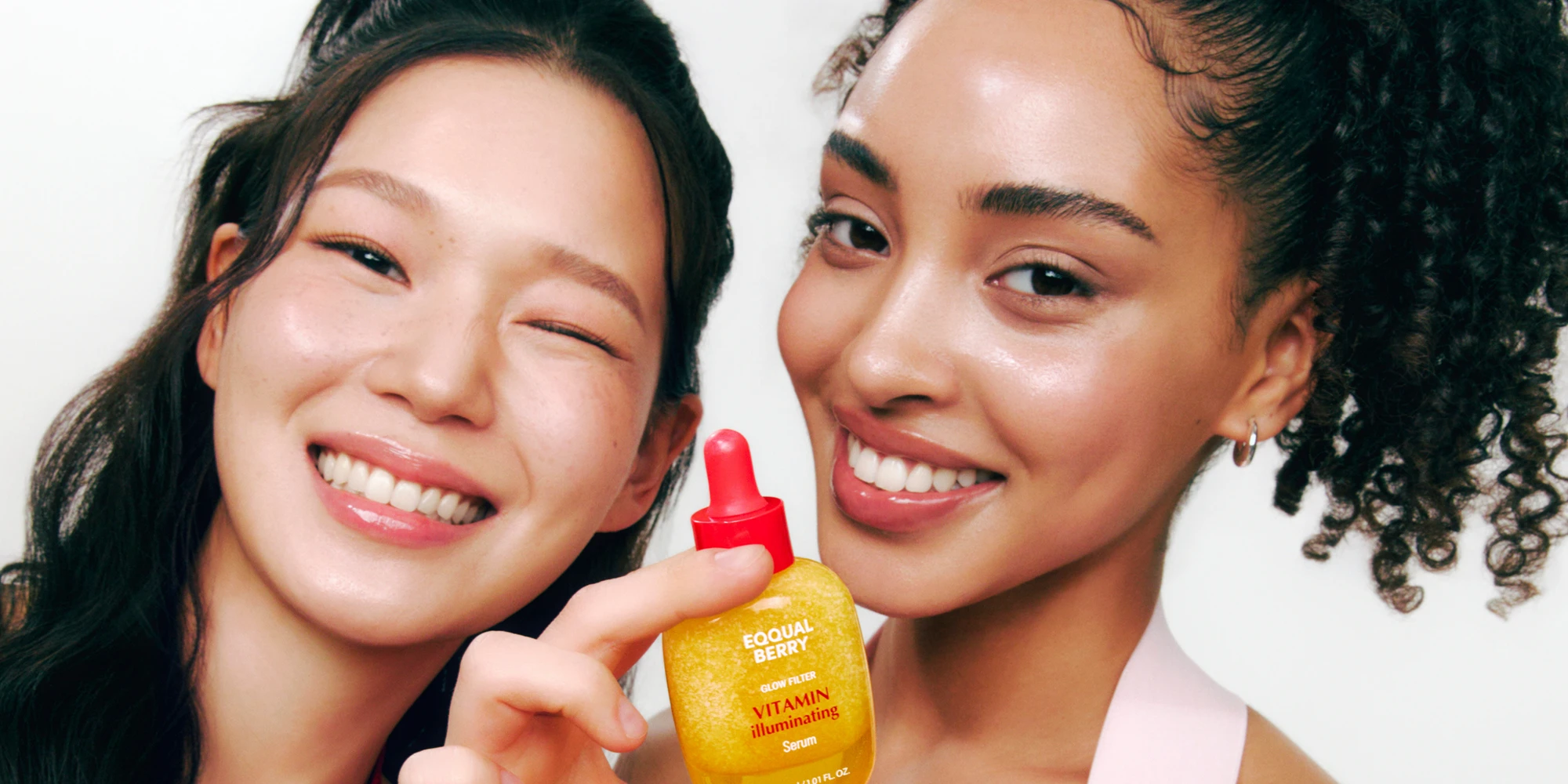
Vitamin C is one of the most popular brightening actives. It helps support a more even-looking skin tone and radiant complexion, making it especially useful for dullness and dark spots.
Check out our selection of products with vitamin C 💛
Niacinamide is another great option, especially if uneven skin tone comes with post-breakout marks. It’s commonly found in Korean formulas designed for skin with post-acne marks and fits easily into an everyday skincare routine.
Take a look at the niacinamide products we recommend ✨
If you’re looking for more targeted care, tranexamic acid and arbutin are also worth considering. They’re often included in formulas created for skin with uneven pigmentation.
Here are some products with tranexamic acid and arbutin worth adding to your routine 👇
Another interesting active is azelaic acid. It can be particularly useful when uneven skin tone comes with a tendency to breakouts and post-acne marks. Check out our selection below:
You don’t need to use all of these ingredients at the same time. It’s better to choose one or two actives based on your skin’s needs and gradually introduce them into your routine.
Step 2: Gently Support Skin Renewal
Another approach to uneven skin tone is supporting gradual skin renewal.
AHAs and retinoids are among the ingredients commonly used for this purpose. But the “more is better” approach definitely doesn’t work here. Over-exfoliation can compromise the skin barrier and lead to irritation.
Retinol should also be introduced gradually, especially if you’ve never used it before. Start slowly and pay attention to how your skin responds 🌱
We’ve put together a selection of products with retinol and AHAs that are worth checking out 💫
Step 3: SPF — the Foundation of Hyperpigmentation Care
You can build the perfect brightening routine, but without regular sun protection, maintaining the results will be much more difficult.
That’s why SPF isn’t just for summer:
- choose a sunscreen with a high level of protection appropriate for the season and UV level;
- apply it to all exposed areas;
- reapply, especially when spending a long time outdoors;
- don’t forget your neck, décolletage, ears, and hands.
Check out our selection of SPF products:
And if your skin is prone to pronounced pigmentation, take a closer look at tinted SPF products with iron oxides. They help protect the skin not only from UV radiation but also from visible light, which can also make pigmentation appear more noticeable ☺️
When Is At-Home Skincare Not Enough?
Sometimes you use your skincare consistently, never skip SPF, and give your skin plenty of time, yet the spots remain noticeable. In this case, it may be worth seeing a dermatologist.
Professionals may use chemical peels, lasers, or other in-office treatments to address hyperpigmentation. However, the right method should be chosen individually: an unsuitable or overly aggressive procedure can actually trigger post-inflammatory hyperpigmentation.
And if a spot changes in shape, color, or size, or simply looks unusual, don’t try to “brighten” it with skincare — it’s best to have it checked by a dermatologist.
How Can You Reduce the Risk of New Dark Spots?
You’ve finally got your skin tone looking more even, you’re happy with your skin — and then summer comes around again 😅
To avoid starting the whole beauty quest from scratch:
- use SPF regularly;
- don’t forget your hands, neck, and décolletage;
- during periods of intense sun exposure, add physical protection such as a hat, cap, or sunglasses;
- don’t overload your skin with acids and other actives;
- support your skin barrier;
- keep antioxidants as part of your routine.
Consistency Matters More Than the Number of Actives
Hyperpigmentation takes time, so don’t try to add everything to your routine at once. Choose a few actives based on your skin’s needs, don’t forget SPF, and give your products time to work ✨
Vitamin C, niacinamide, retinol, and other ingredients can all have a place in your routine, but the best skincare routine is one you can stick to consistently.
And you can always find products for a more even-looking skin tone at Ksisters 💕
This translation is AI-generated, so there might be some minor slip-ups 😌
Did you like the article?
support the author
6 likes